The Hormone
Panel.
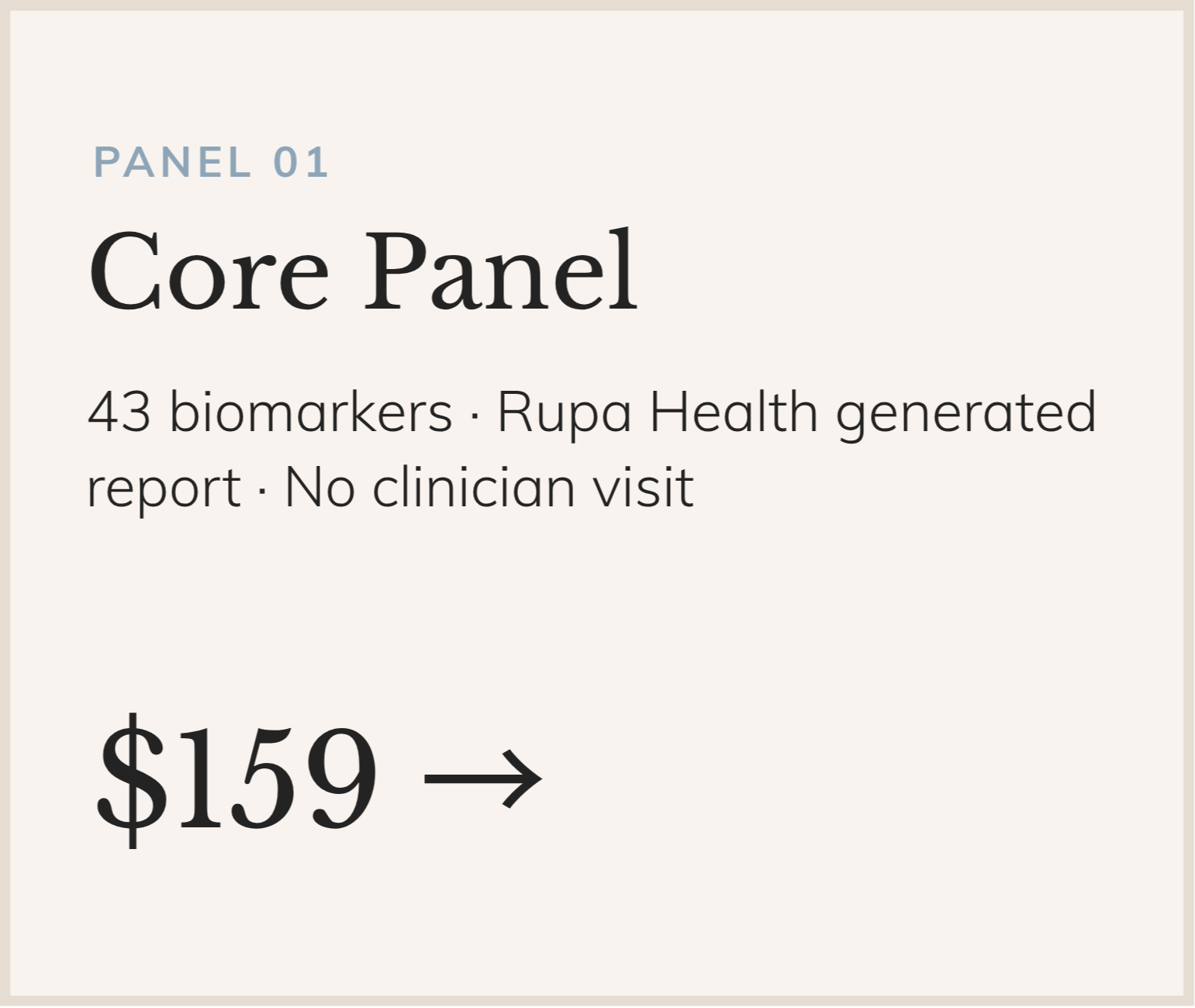
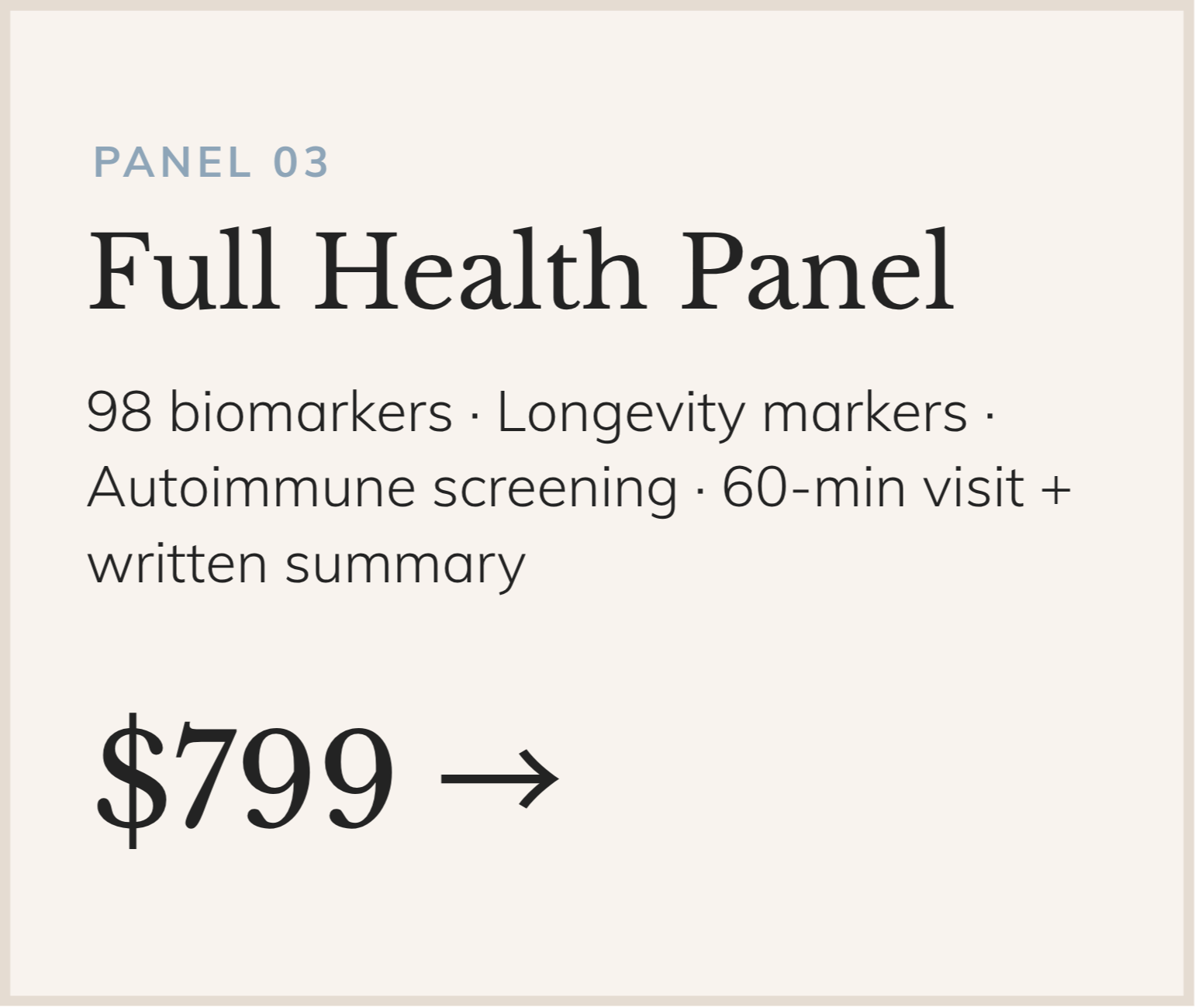
The panel most patients start with — 71 biomarkers, a full clinical review, and a clear path forward.
The Hormone Panel is where Paige does her best first-visit diagnostic work. It gives her the breadth she needs to read patterns across your hormones, thyroid, metabolism, and inflammation simultaneously — and to tell you, with confidence, what's driving how you feel. This isn't a fishing expedition. It's a deliberate, comprehensive look at the systems most likely to be at the root of what you're experiencing.
——————————————————————————————
71 Biomarkers · 26 Lab tests ordered · 30 Minute Clinician Visit
The Hormone
Panel.
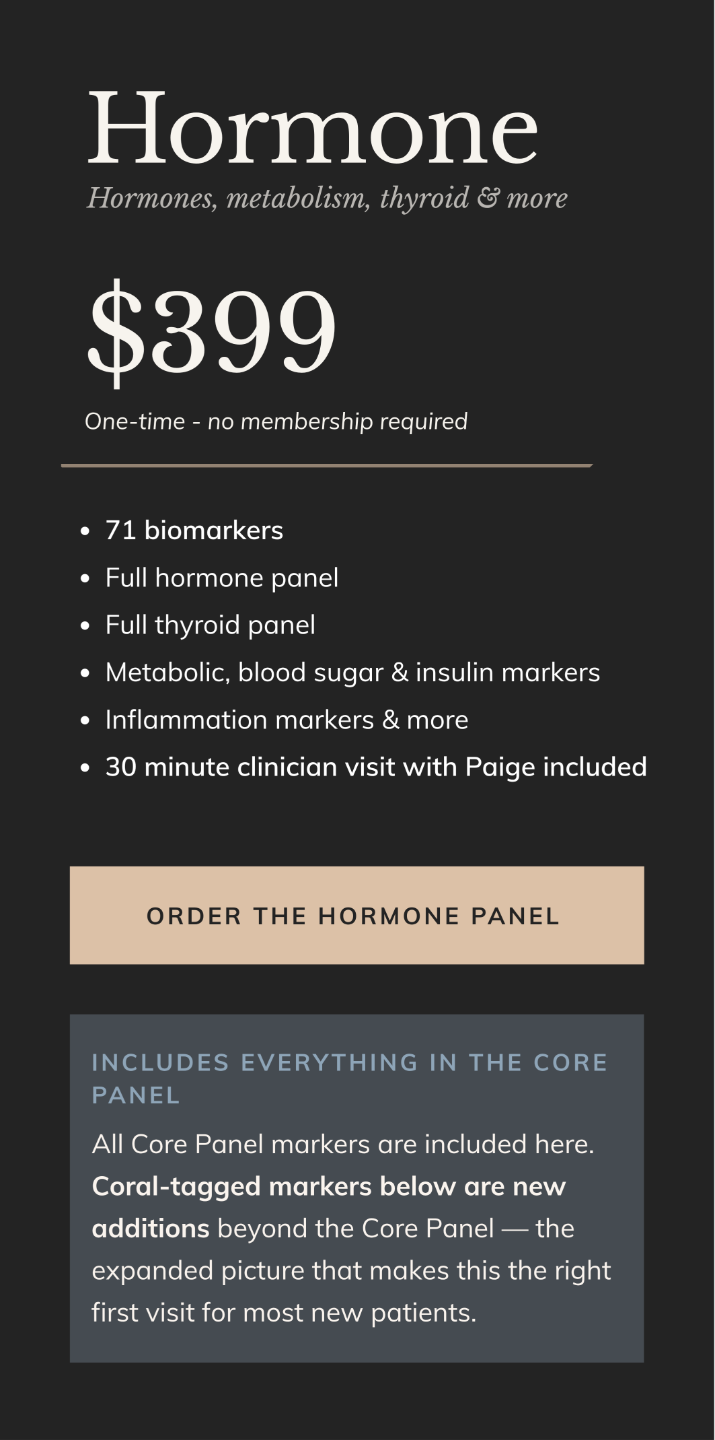
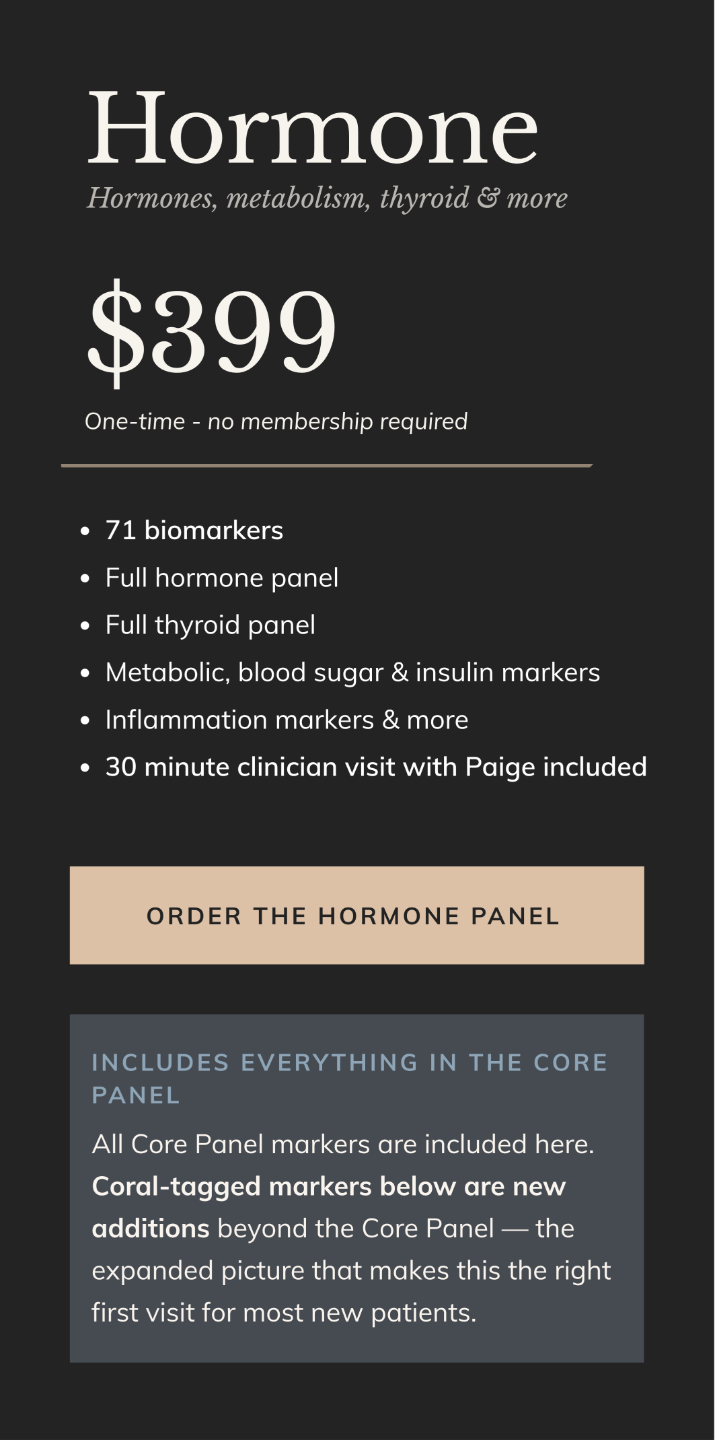
The panel most patients start with — 71 biomarkers, a full clinical review, and a clear path forward.
The Hormone Panel is where Paige does her best first-visit diagnostic work. It gives her the breadth she needs to read patterns across your hormones, thyroid, metabolism, and inflammation simultaneously — and to tell you, with confidence, what's driving how you feel. This isn't a fishing expedition. It's a deliberate, comprehensive look at the systems most likely to be at the root of what you're experiencing.
——————————————————————————
71 Biomarkers · 26 Lab tests ordered · 30 Minute Clinician vist
Twenty six tests focusing on...
Twenty six tests
focusing on...
Sex Hormones, Strength, & Endurance
This panel expands beyond the Core's foundational sex hormones to add Progesterone and Prolactin — two markers that dramatically change the clinical picture, especially for women. Progesterone is one of the most commonly deficient hormones in perimenopause and is central to sleep, mood, and cycle regularity. Prolactin affects libido, fertility, and estrogen balance and is frequently overlooked in routine panels. Together, these nine markers give Paige a complete hormonal performance profile for both men and women.
Estradiol (E2) DHEA-Sulfate Testosterone, Total Testosterone, Free Sex Hormone Binding Globulin FSH (Follicle-Stimulating Hormone) LH(Luteinizing Hormone) Progesterone ♀ Prolactin PSA Total to Relex ♂
Thyroid Health
This is how thyroid should actually be evaluated. TSH alone — the only marker most physicians order — tells you whether the brain is asking the thyroid to work harder or slower. It doesn't tell you whether the thyroid responded, whether T4 is converting to active T3, whether Reverse T3 is blocking that conversion, or whether an autoimmune process is quietly attacking the gland. Paige reads all six markers together, because thyroid dysfunction is the most commonly missed driver of fatigue, weight resistance, depression, hair loss, cold intolerance, and hormonal disruption — and it's missed precisely because most labs stop at TSH.
TSH (Thyroid-Stimulating Hormone)
Free T3 (Triiodothyronine, Free) Free T4 (Thyroxine, Direct) Reverse T3 Thyroid Peroxidase (TPO) Antibody Thyroglobulin Antibody
Cognition
Cortisol and DHEA-S work in concert to regulate stress response, cognitive function, memory, and mental clarity. Cortisol is your primary stress hormone — it follows a daily rhythm, and when that rhythm is disrupted, the downstream effects on brain function, sleep, immune response, and hormone production are significant. DHEA-S (already included in the sex hormone section) is cortisol's counterbalancing partner, and reading both together reveals the state of your HPA axis — the stress-response system that governs more of how you feel than most people realize.
Cortisol, Total Prolactin
Inflammation
High-sensitivity CRP (hs-CRP) is the most clinically useful general inflammation marker available. It's sensitive enough to detect low-grade chronic inflammation — the kind that doesn't cause obvious symptoms but quietly drives cardiovascular disease, metabolic dysfunction, autoimmune activation, hormonal disruption, and accelerated aging. Many of Paige's patients have mildly elevated hs-CRP for years before anyone connects it to how they feel. The Full Health Panel adds Sed Rate and Rheumatoid Factor for a more complete inflammatory picture, particularly for patients with autoimmune concerns.
hs-CRP (High-Sensitivity C-Reactive Protein)
Metabolism & Weight
This is where Paige goes significantly deeper than the Core Panel. Fasting insulin is one of the most important and most under-ordered markers in medicine — it reveals insulin resistance years before blood sugar or HbA1c becomes abnormal, and insulin resistance drives weight gain, fatigue, inflammation, hormonal imbalance, and long-term cardiovascular risk. HbA1c shows the three-month blood sugar average. The lipid panel gives Paige the standard cardiovascular risk picture. Together with the metabolic baseline from the CMP, these markers tell a complete story about how your body is handling energy — and where things are starting to go sideways before they become a diagnosis.
Glucose Albumin Total Protein Calcium Insulin, Fasting Hemoglobin A1c (HbA1c) Total Cholesterol HDL Cholesterol LDL Cholesterol Triglycerides VLDL Cholesterol
Vitamins & Nutrients
Nutrient status is one of the most overlooked pieces of the hormonal and metabolic puzzle. Iron deficiency — particularly low ferritin — is a leading cause of fatigue, hair loss, and poor recovery, and it's routinely missed because most labs only check serum iron without ferritin. This panel checks all four iron markers together, giving Paige a complete picture of your iron stores and transport. Vitamin D remains essential context for hormonal interpretation. The Full Health Panel adds B12, folate, magnesium, and zinc for patients who want the complete nutritional picture.
Vitamin D, 25-OH, Total Serum Iron Transferrin Saturation TIBC (Total Iron Binding Capacity) Ferritin
Liver Function & Toxicity
Your liver is the primary site of hormone metabolism and detoxification — it processes and clears estrogen, cortisol, testosterone metabolites, and virtually every medication or supplement you take. Liver enzyme elevation is one of the earliest signals of metabolic strain, fatty liver disease, or medication-related stress, and it frequently coexists with hormonal imbalance without anyone connecting the two. Paige monitors these in all patients, particularly those on HRT, peptides, or other long-term protocols.
ALT (Alanine Aminotransferase / SGPT) AST (Aspartate Aminotransferase / SGOT) Alkaline Phosphatase (ALP) Bilirubin, Total
Kidney Health
Kidney function is a non-negotiable safety marker in any comprehensive panel, particularly for patients on long-term hormone therapy, peptides, or any prescription protocol. BUN and creatinine measure how well your kidneys are clearing metabolic waste; eGFR gives the overall filtration rate and is a sensitive early indicator of declining kidney function — often years before symptoms appear. Paige uses these to monitor safety baselines and catch early changes before they become problems.
BUN (Blood Urea Nitrogen) eGFR (Estimated Glomerular Filtration Rate) Creatinine
Electrolyte & Fluid Balance
Electrolytes regulate every cell in your body — nerve signaling, muscle contraction, fluid balance, and pH. Imbalances here are often behind symptoms that seem unrelated: fatigue, muscle cramps, brain fog, heart palpitations, and poor recovery. Sodium, potassium, and chloride are the primary electrolytes; CO₂ (bicarbonate) reflects your body's acid-base balance, which is closely tied to adrenal and kidney function
Sodium CO₂ (Bicarbonate) Potassium Chloride
Oxygen Transfer & Blood Health
The CBC with differential gives Paige a complete picture of your blood cell populations — how well your red cells are carrying oxygen, how your immune system is activated, and whether there are patterns suggesting anemia, infection, inflammation, or immune dysregulation. It's one of the most information-dense panels in medicine, and Paige reads it alongside your hormone and metabolic markers to catch things that don't show up when any one marker is read in isolation.
Hemoglobin MCV (Mean Corpuscular Volume) WBC (White Blood Cell Count) Hematocrit RBC (Red Blood Cell Count) MCH (Mean Corpuscular Hemoglobin) MCHC RDW (Red Cell Distribution Width) Platelets Neutrophils % Neutrophils, Absolute Lymphocytes % Lymphocytes, Absolute Monocytes %. Monocytes, Absolute Eosinophils % Eosinophils, Absolute Basophils % Basophils, Absolute Immature Granulocytes
Sex Hormones, Strength, & Endurance
This panel expands beyond the Core's foundational sex hormones to add Progesterone and Prolactin — two markers that dramatically change the clinical picture, especially for women. Progesterone is one of the most commonly deficient hormones in perimenopause and is central to sleep, mood, and cycle regularity. Prolactin affects libido, fertility, and estrogen balance and is frequently overlooked in routine panels. Together, these nine markers give Paige a complete hormonal performance profile for both men and women.
Estradiol (E2) DHEA-Sulfate Testosterone, Total Testosterone, Free Sex Hormone Binding Globulin FSH (Follicle-Stimulating Hormone) LH(Luteinizing Hormone) Progesterone ♀ Prolactin PSA Total to Relex ♂
Thyroid Health
This is how thyroid should actually be evaluated. TSH alone — the only marker most physicians order — tells you whether the brain is asking the thyroid to work harder or slower. It doesn't tell you whether the thyroid responded, whether T4 is converting to active T3, whether Reverse T3 is blocking that conversion, or whether an autoimmune process is quietly attacking the gland. Paige reads all six markers together, because thyroid dysfunction is the most commonly missed driver of fatigue, weight resistance, depression, hair loss, cold intolerance, and hormonal disruption — and it's missed precisely because most labs stop at TSH.
TSH (Thyroid-Stimulating Hormone)
Free T3 (Triiodothyronine, Free) Free T4 (Thyroxine, Direct) Reverse T3 Thyroid Peroxidase (TPO) Antibody Thyroglobulin Antibody
Cognition
Cortisol and DHEA-S work in concert to regulate stress response, cognitive function, memory, and mental clarity. Cortisol is your primary stress hormone — it follows a daily rhythm, and when that rhythm is disrupted, the downstream effects on brain function, sleep, immune response, and hormone production are significant. DHEA-S (already included in the sex hormone section) is cortisol's counterbalancing partner, and reading both together reveals the state of your HPA axis — the stress-response system that governs more of how you feel than most people realize.
Cortisol, Total Prolactin
Inflammation
High-sensitivity CRP (hs-CRP) is the most clinically useful general inflammation marker available. It's sensitive enough to detect low-grade chronic inflammation — the kind that doesn't cause obvious symptoms but quietly drives cardiovascular disease, metabolic dysfunction, autoimmune activation, hormonal disruption, and accelerated aging. Many of Paige's patients have mildly elevated hs-CRP for years before anyone connects it to how they feel. The Full Health Panel adds Sed Rate and Rheumatoid Factor for a more complete inflammatory picture, particularly for patients with autoimmune concerns.
hs-CRP (High-Sensitivity C-Reactive Protein)
Metabolism & Weight
This is where Paige goes significantly deeper than the Core Panel. Fasting insulin is one of the most important and most under-ordered markers in medicine — it reveals insulin resistance years before blood sugar or HbA1c becomes abnormal, and insulin resistance drives weight gain, fatigue, inflammation, hormonal imbalance, and long-term cardiovascular risk. HbA1c shows the three-month blood sugar average. The lipid panel gives Paige the standard cardiovascular risk picture. Together with the metabolic baseline from the CMP, these markers tell a complete story about how your body is handling energy — and where things are starting to go sideways before they become a diagnosis.
Glucose Albumin Total Protein Calcium Insulin, Fasting Hemoglobin A1c (HbA1c) Total Cholesterol HDL Cholesterol LDL Cholesterol Triglycerides VLDL Cholesterol
Vitamins & Nutrients
Nutrient status is one of the most overlooked pieces of the hormonal and metabolic puzzle. Iron deficiency — particularly low ferritin — is a leading cause of fatigue, hair loss, and poor recovery, and it's routinely missed because most labs only check serum iron without ferritin. This panel checks all four iron markers together, giving Paige a complete picture of your iron stores and transport. Vitamin D remains essential context for hormonal interpretation. The Full Health Panel adds B12, folate, magnesium, and zinc for patients who want the complete nutritional picture.
Vitamin D, 25-OH, Total Serum Iron Transferrin Saturation TIBC (Total Iron Binding Capacity) Ferritin
Liver Function & Toxicity
Your liver is the primary site of hormone metabolism and detoxification — it processes and clears estrogen, cortisol, testosterone metabolites, and virtually every medication or supplement you take. Liver enzyme elevation is one of the earliest signals of metabolic strain, fatty liver disease, or medication-related stress, and it frequently coexists with hormonal imbalance without anyone connecting the two. Paige monitors these in all patients, particularly those on HRT, peptides, or other long-term protocols.
ALT (Alanine Aminotransferase / SGPT) AST (Aspartate Aminotransferase / SGOT) Alkaline Phosphatase (ALP) Bilirubin, Total
Kidney Health
Kidney function is a non-negotiable safety marker in any comprehensive panel, particularly for patients on long-term hormone therapy, peptides, or any prescription protocol. BUN and creatinine measure how well your kidneys are clearing metabolic waste; eGFR gives the overall filtration rate and is a sensitive early indicator of declining kidney function — often years before symptoms appear. Paige uses these to monitor safety baselines and catch early changes before they become problems.
BUN (Blood Urea Nitrogen) eGFR (Estimated Glomerular Filtration Rate) Creatinine
Electrolyte & Fluid Balance
Electrolytes regulate every cell in your body — nerve signaling, muscle contraction, fluid balance, and pH. Imbalances here are often behind symptoms that seem unrelated: fatigue, muscle cramps, brain fog, heart palpitations, and poor recovery. Sodium, potassium, and chloride are the primary electrolytes; CO₂ (bicarbonate) reflects your body's acid-base balance, which is closely tied to adrenal and kidney function
Sodium CO₂ (Bicarbonate) Potassium Chloride
Oxygen Transfer & Blood Health
The CBC with differential gives Paige a complete picture of your blood cell populations — how well your red cells are carrying oxygen, how your immune system is activated, and whether there are patterns suggesting anemia, infection, inflammation, or immune dysregulation. It's one of the most information-dense panels in medicine, and Paige reads it alongside your hormone and metabolic markers to catch things that don't show up when any one marker is read in isolation.
Hemoglobin MCV (Mean Corpuscular Volume) WBC (White Blood Cell Count) Hematocrit RBC (Red Blood Cell Count) MCH (Mean Corpuscular Hemoglobin) MCHC RDW (Red Cell Distribution Width) Platelets Neutrophils % Neutrophils, Absolute Lymphocytes % Lymphocytes, Absolute Monocytes %. Monocytes, Absolute Eosinophils % Eosinophils, Absolute Basophils % Basophils, Absolute Immature Granulocytes
The Lab Clarity Report?
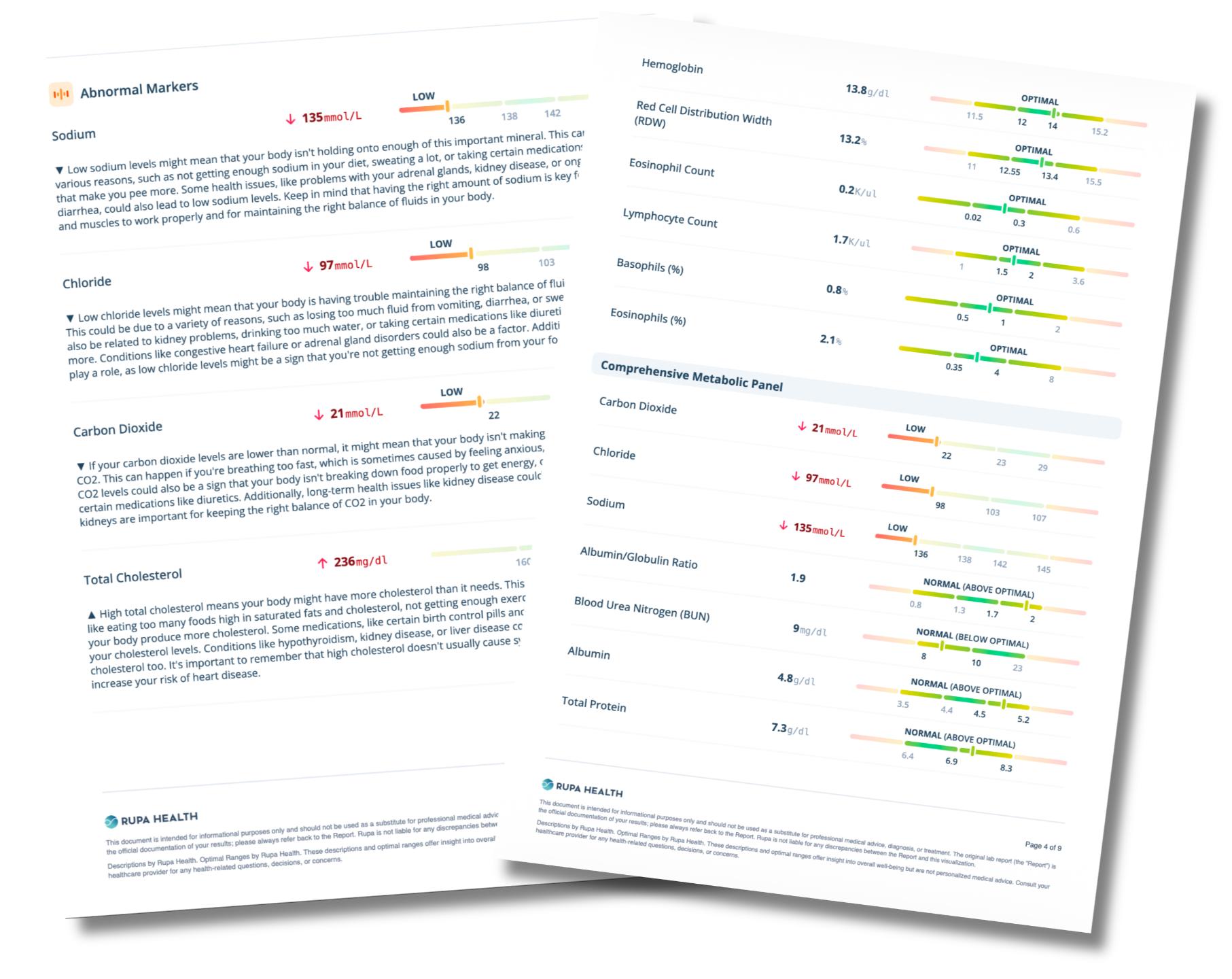
The Lab Clarity Report is a visual, easy-to-read breakdown of your lab results generated through Rupa Health. Instead of receiving a raw list of numbers and reference ranges, you get a clean report that shows where each of your markers falls on a visual scale — clearly labeled as normal, above optimal, below optimal, or out of range — alongside a plain-language explanation of what each result means and why it matters.
Abnormal markers are flagged and pulled to the front of the report so nothing gets buried. Every result includes a brief description of what that marker measures, what it might mean if it's trending high or low, and what factors could be contributing.
The Lab Clarity Report is included with the Hormone and Full Health Panels, it accompanies your 30 or 60-minute clinician visit with Paige — so you arrive at your appointment already oriented to your results, and Paige can spend the visit going deeper into what the patterns actually mean for you specifically, rather than explaining what each number is.
The Lab Clarity Report?
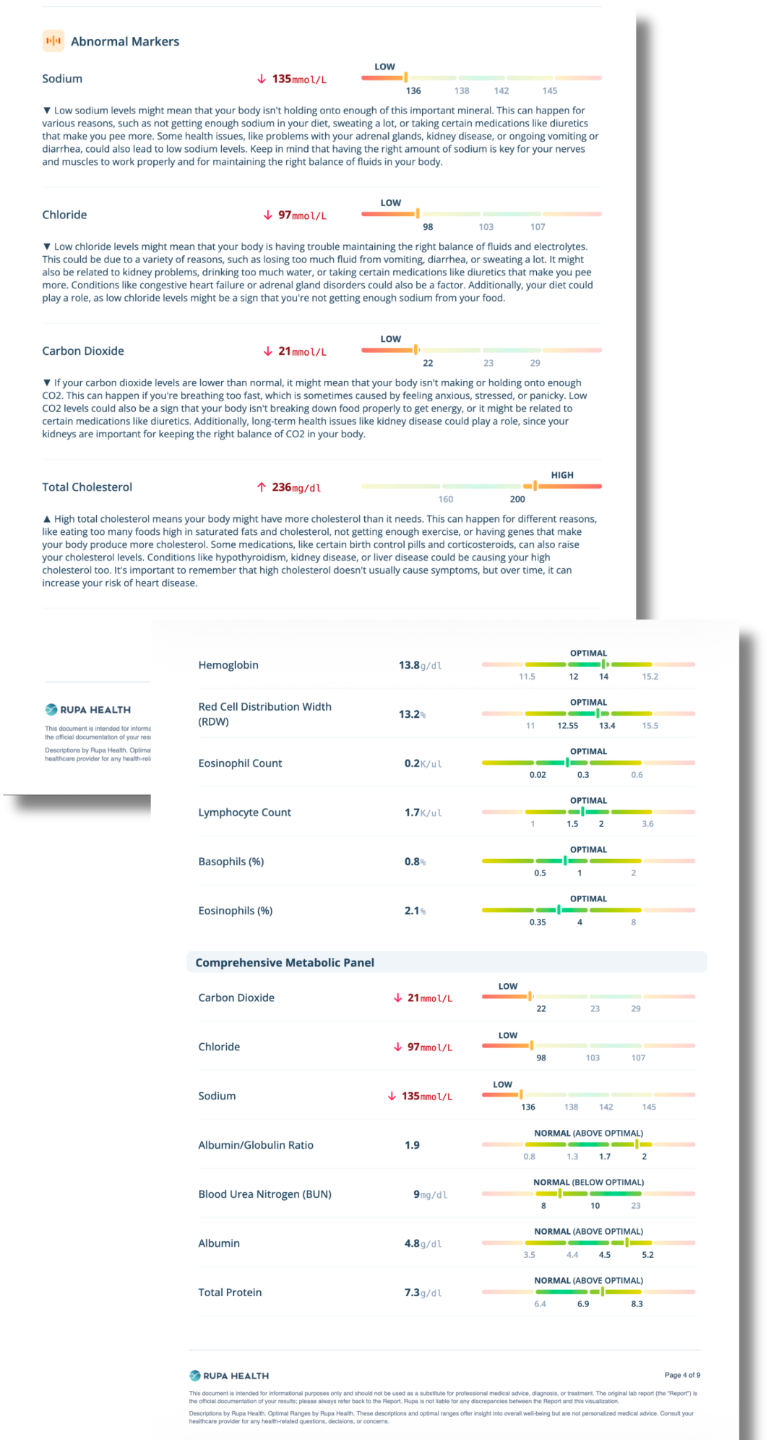
The Lab Clarity Report is a visual, easy-to-read breakdown of your lab results generated through Rupa Health. Instead of receiving a raw list of numbers and reference ranges, you get a clean report that shows where each of your markers falls on a visual scale — clearly labeled as normal, above optimal, below optimal, or out of range — alongside a plain-language explanation of what each result means and why it matters.
Abnormal markers are flagged and pulled to the front of the report so nothing gets buried. Every result includes a brief description of what that marker measures, what it might mean if it's trending high or low, and what factors could be contributing.
The Lab Clarity Report is included with the Hormone and Full Health Panels, it accompanies your 30 or 60-minute clinician visit with Paige — so you arrive at your appointment already oriented to your results, and Paige can spend the visit going deeper into what the patterns actually mean for you specifically, rather than explaining what each number is.
The most diagnostic first visit available.
Order the Hormone Panel, draw locally at the lab near you, and come to your 30-minute review session with Paige ready to finally understand what's driving your symptoms.
The most diagnostic first visit available.
Order the Hormone Panel, draw locally at the lab near you, and come to your 30-minute review session with Paige ready to finally understand what's driving your symptoms.
COMPARE PANELS
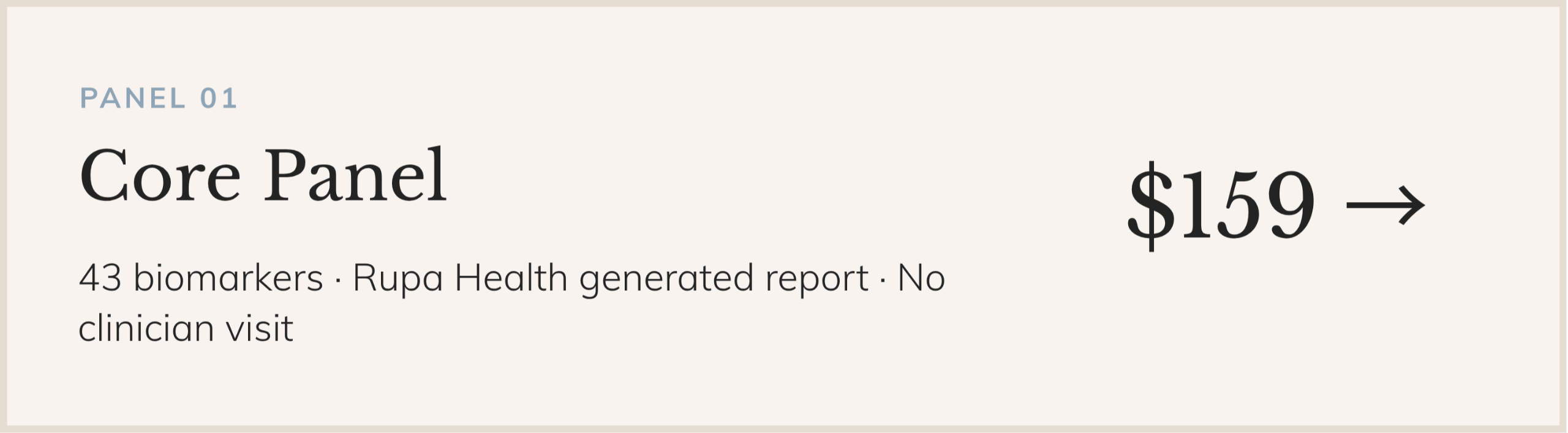
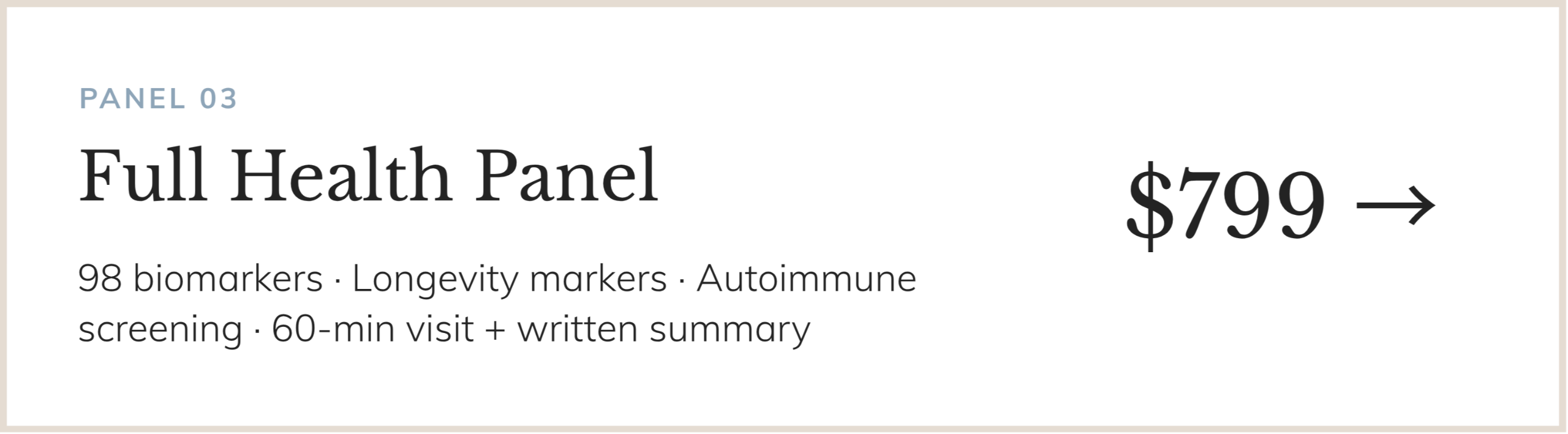
COMPARE PANELS