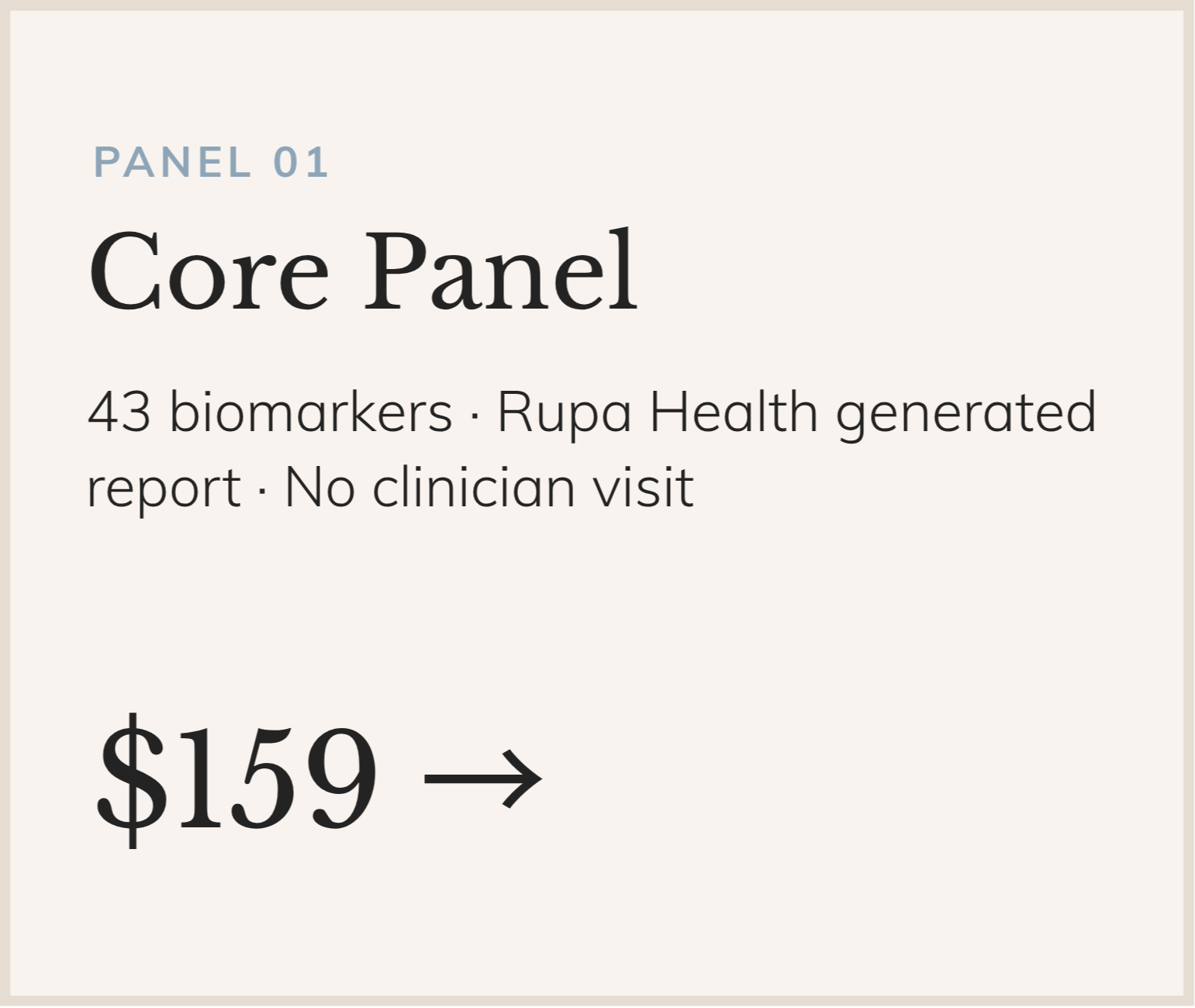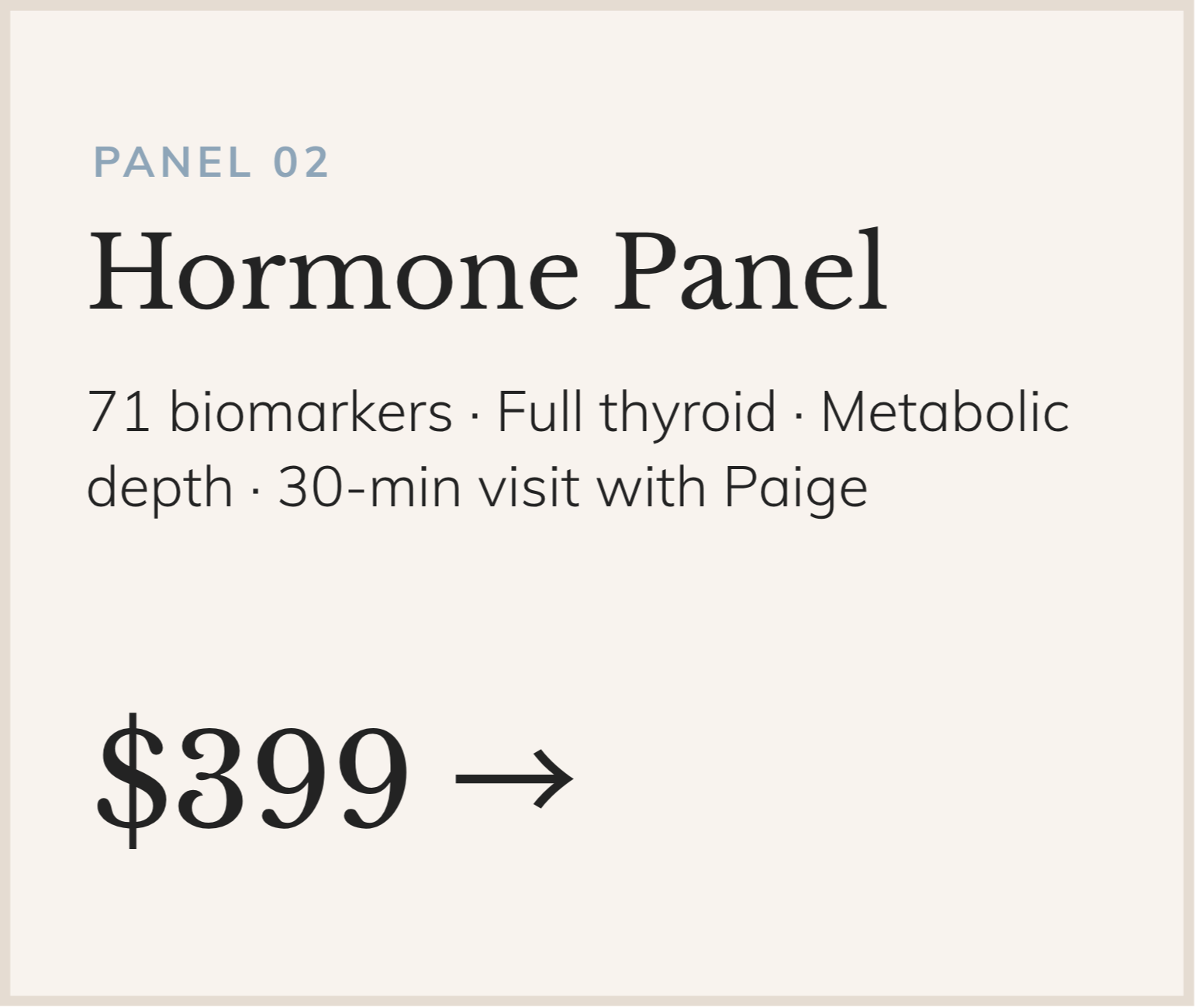
The Full Health Panel.
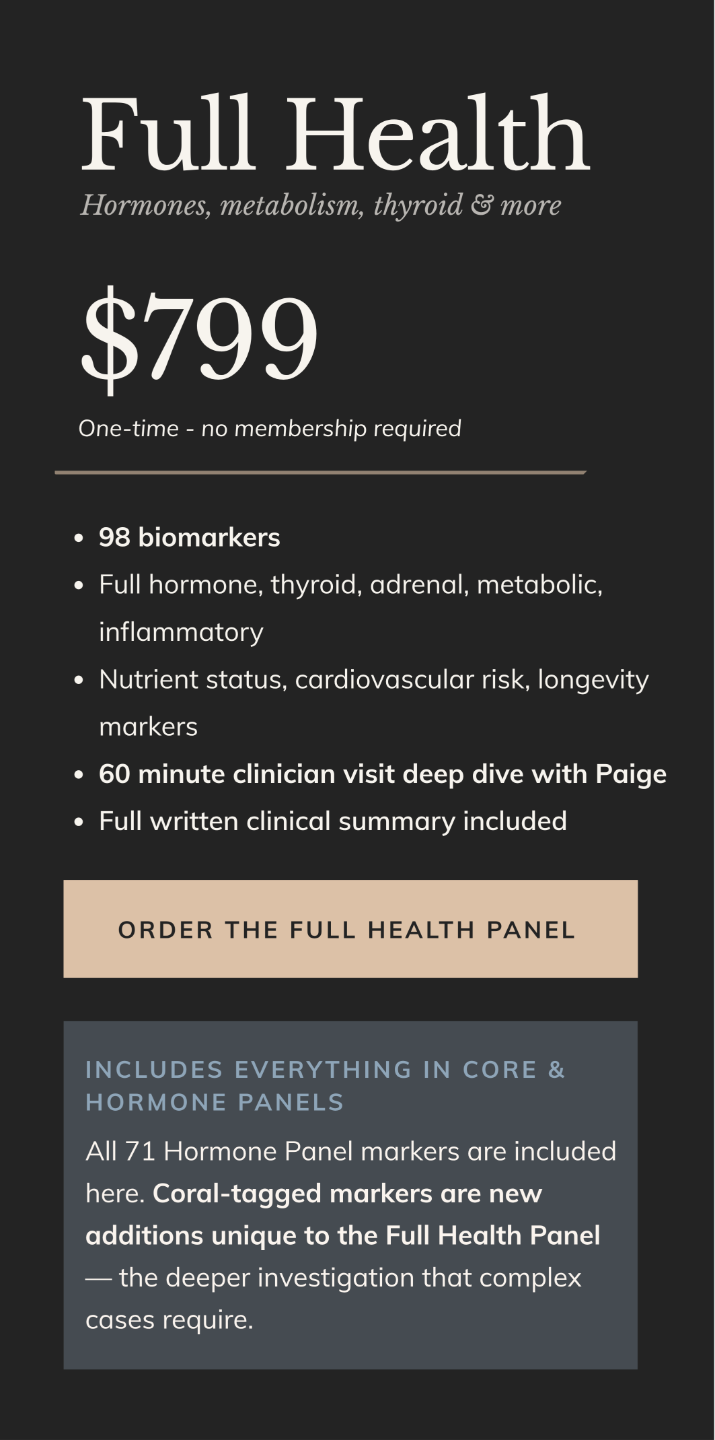
98 biomarkers. A 60-minute deep dive review session. The most comprehensive starting point Paige offers.
The Full Health Panel is built for patients who want the complete picture — or whose cases demand it. Everything in the Hormone Panel, plus advanced cardiovascular and longevity markers, autoimmune screening, expanded organ function, a full nutrient panel, and reproductive health markers that go beyond what standard care ever orders. This is where Paige does her deepest first-visit diagnostic work, and where the most complex cases finally start to make sense.
——————————————————————————————
98 Biomarkers · 40+ Lab tests ordered · 60 Minute Clinician Visit
The Full Health
Panel.
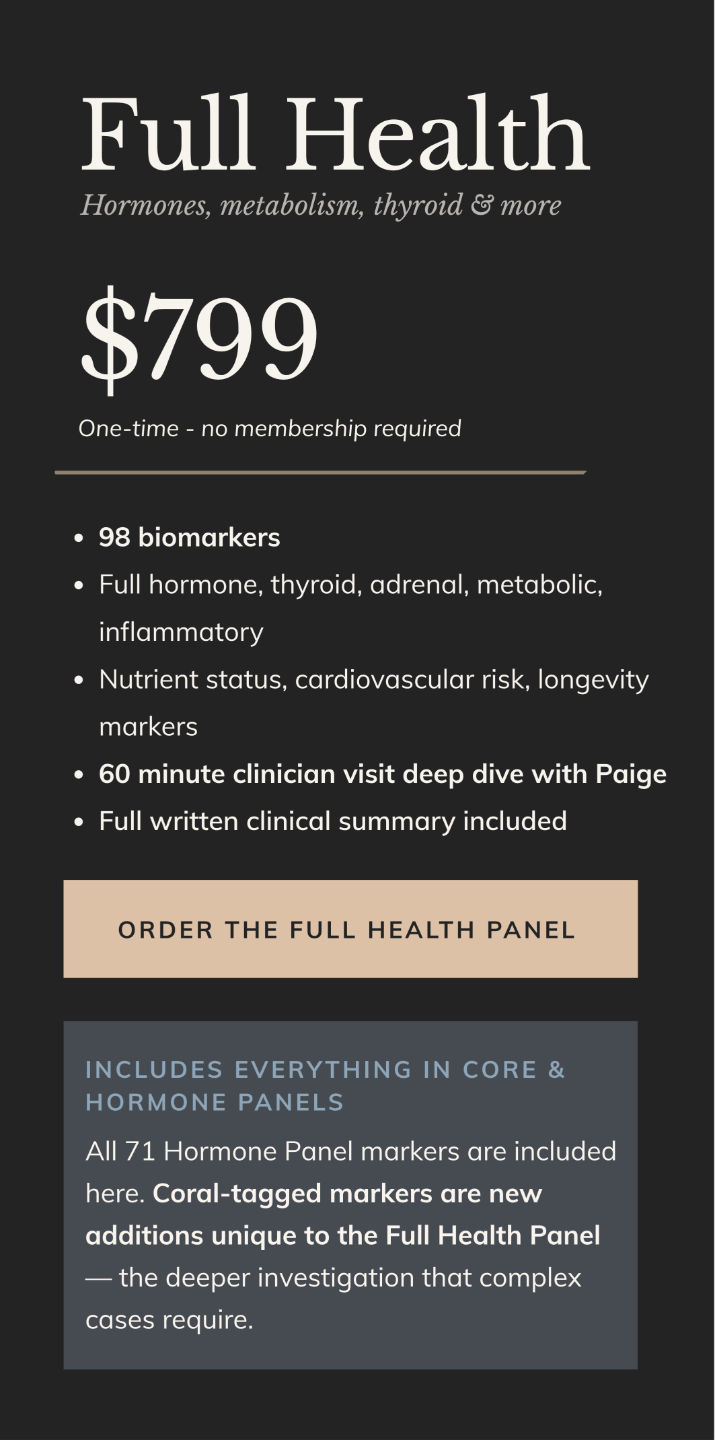
98 biomarkers. A 60-minute deep dive review session. The most comprehensive starting point Paige offers.
The Full Health Panel is built for patients who want the complete picture — or whose cases demand it. Everything in the Hormone Panel, plus advanced cardiovascular and longevity markers, autoimmune screening, expanded organ function, a full nutrient panel, and reproductive health markers that go beyond what standard care ever orders. This is where Paige does her deepest first-visit diagnostic work, and where the most complex cases finally start to make sense.
——————————————————————————
98 Biomarkers · 40+ Lab tests ordered · 60 Minute Clinician vist
Forty plus tests focusing on...
Forty plus tests
focusing on...
Longevity & Advanced Cardiovascular Health
This is the category that most distinguishes the Full Health Panel from anything conventional medicine typically orders. ApoB is now considered the most accurate measure of cardiovascular risk — superior to LDL — because it counts every atherogenic particle regardless of size. Lipoprotein(a) is genetically determined, largely unresponsive to lifestyle, and is one of the strongest independent risk factors for premature cardiovascular disease. Homocysteine reflects methylation efficiency and B-vitamin status, and is an independent risk factor for cardiovascular disease, cognitive decline, and blood clot risk. IGF-1 is the primary mediator of growth hormone signaling, directly tied to muscle mass, metabolic rate, and cellular aging. Together, these markers represent the longevity medicine approach to cardiovascular health — going far beyond a standard lipid panel.
Apolipoprotein B (ApoB) Lipoprotein (a) — Lp(a) Homocysteine IGF-1 (Insulin-Like Growth Factor)
Autoimmune Screening
The ANA (Antinuclear Antibody) Screen with IFA reflex is the primary screening test for systemic autoimmune disease — including lupus, Sjögren's syndrome, mixed connective tissue disease, and undifferentiated autoimmune conditions. Autoimmune processes are frequently the hidden driver behind years of fatigue, joint pain, unexplained inflammation, and hormonal disruption that never gets properly investigated. The IFA reflex means that if the ANA is positive, the test automatically refines to identify the specific antibody pattern, giving Paige meaningful clinical information rather than just a flag. This is a marker Paige orders for any patient with a complex, multisystem presentation or a family history of autoimmune disease.
ANA Screen, IFA w/ Reflex to Titer & Pattern
Inflammation
The Full Health Panel significantly expands the assessment of inflammation beyond hs-CRP alone. The Sedimentation Rate (ESR) is a broader inflammatory marker that reflects the pace of immune activity and is particularly useful for tracking chronic, systemic inflammation over time. Rheumatoid Factor is a marker of autoimmune activity associated with rheumatoid arthritis and other connective tissue conditions — and importantly, it can be elevated years before a formal autoimmune diagnosis. Together, these three markers give Paige a layered view of inflammatory activity across different mechanisms and timescales.
hs-CRP (High-Sensitivity C-Reactive Protein) Rheumatoid Factor (RF) Sedimentation Rate (ESR) by Modified Westergren
Reproductive & Bone Health
This category brings together three markers unique to the Full Health Panel that address ovarian reserve, bone metabolism, and mineral regulation. AMH (Anti-Müllerian Hormone) is the most sensitive marker of ovarian reserve available — it reflects the remaining egg supply and the overall hormonal trajectory of the reproductive years, making it essential context for any woman navigating perimenopause, fertility questions, or long-term hormone planning. PTH (Parathyroid Hormone) with Calcium governs the body's calcium balance: PTH elevation is a common and commonly missed driver of fatigue, bone loss, kidney stones, and cognitive symptoms, and it's frequently abnormal in patients with Vitamin D deficiency. Together, these markers give Paige a window into two systems — ovarian function and mineral metabolism — that standard panels never evaluate.
Anti-Müllerian Hormone (AMH) PTH, Intact (Parathyroid Hormone) Calcium (PTH panel) FSH (Follicle-Stimulating Hormone) LH (Luteinizing Hormone)
Vitamins & Nutrients
This is the most complete nutritional assessment Paige offers. The Full Health Panel adds Vitamin B12, Folate, Magnesium, and Zinc to the iron and Vitamin D markers already in the Hormone Panel. B12 and folate are critical for methylation, neurological function, red blood cell production, and mood — deficiencies are extremely common, frequently missed, and directly contribute to fatigue, cognitive changes, and mood disorders. Magnesium deficiency affects sleep, muscle function, nervous system regulation, and insulin sensitivity. Zinc is essential for immune function, testosterone production, wound healing, and thyroid hormone conversion. Together, these ten markers give Paige a nutritional picture that most patients have never had evaluated comprehensively.
Vitamin D, 25-OH, Total Serum Iron Transferrin Saturation TIBC (Total Iron Binding Capacity) Ferritin Vitamin B12 (Cobalamin) Folate, Serum Magnesium Zinc
Liver & Organ Function
The Full Health Panel adds four organ function markers that go well beyond the standard liver enzyme picture. GGT (Gamma Glutamyl Transferase) is a sensitive liver marker particularly associated with alcohol use, fatty liver disease, bile duct stress, and oxidative stress — and is predictive of cardiovascular and metabolic disease in a way the standard CMP enzymes are not. Creatine Kinase (CK) reflects muscle health and damage — critical for patients on statin therapy, high-intensity training, or anyone experiencing muscle symptoms. Amylase and Lipase assess pancreatic function. Together these eight markers give Paige a detailed picture of multi-organ function that standard labs routinely skip.
ALT (Alanine Aminotransferase / SGPT) AST (Aspartate Aminotransferase / SGOT) Alkaline Phosphatase (ALP) Bilirubin, Total GGT (Gamma Glutamyl Transferase) Creatine Kinase (CK), Total Amylase Lipase
Metabolism & Weight
This panel carries all metabolic markers from the Hormone Panel and adds Uric Acid as a significant new addition. Uric acid has emerged as one of the more important metabolic biomarkers in longevity medicine — elevated levels are strongly associated with insulin resistance, gout risk, kidney stone formation, cardiovascular disease, and metabolic syndrome. It's frequently elevated before other metabolic markers flag, making it a valuable early warning sign. Combined with insulin, HbA1c, the full CMP, and the lipid panel, this gives Paige an unusually complete metabolic picture.
Glucose Albumin Total Protein Calcium Insulin, Fasting Hemoglobin A1c (HbA1c) Total Cholesterol HDL Cholesterol LDL Cholesterol Triglycerides VLDL Cholesterol Uric Acid
Cognition
Cortisol and Prolactin carry over from the Hormone Panel. In the context of the Full Health Panel, cortisol is read alongside homocysteine (a marker of methylation and B-vitamin status that directly affects neurotransmitter synthesis and cognitive function), Vitamin B12 and folate (both critical for neurological health and mood regulation), and magnesium (which governs nervous system excitability and sleep architecture). Together they give Paige a complete picture of the biological inputs driving — or undermining — cognitive clarity and emotional resilience.
Cortisol, Total Prolactin
Thyroid Health (Full Panel)
The full six-marker thyroid panel is unchanged from the Hormone Panel. At this tier, thyroid results are read in conjunction with ANA screening (autoimmune thyroid disease is the most common autoimmune condition and is frequently the upstream driver of thyroid dysfunction), homocysteine (which is elevated in hypothyroidism and affects methylation), and iron markers (iron deficiency impairs thyroid hormone synthesis and conversion). The Full Health Panel makes it possible to see thyroid dysfunction not as an isolated finding but as part of a broader physiological pattern.
TSH (Thyroid-Stimulating Hormone)
Free T3 (Triiodothyronine, Free) Free T4 (Thyroxine, Direct) Reverse T3 Thyroid Peroxidase (TPO) Antibody Thyroglobulin Antibody
Sex Hormones, Strength, & Endurance
All sex hormone markers carry over unchanged from the Hormone Panel. At this tier, these markers are read in the context of everything else in the Full Health Panel — particularly AMH (which signals ovarian reserve and hormonal trajectory), IGF-1 (which reflects growth hormone axis activity and muscle-building capacity), and ApoB (which interacts with testosterone and estrogen in cardiovascular risk). The Full Health Panel is where these individual hormone results stop being data points and become a complete physiological narrative.
Estradiol (E2) DHEA-Sulfate Testosterone, Total Testosterone, Free Sex Hormone Binding Globulin FSH (Follicle-Stimulating Hormone) LH(Luteinizing Hormone) Progesterone ♀ Prolactin PSA Total to Relex ♂
Kidney Health
Kidney markers are unchanged from the Hormone Panel. In the Full Health Panel context, kidney function is read alongside PTH and Calcium (parathyroid hormone directly regulates calcium and phosphate reabsorption in the kidneys, and PTH elevation is a common marker of both vitamin D deficiency and early kidney function decline), uric acid (elevated in kidney stone disease and a sign of metabolic strain on renal clearance), and homocysteine (which is cleared by the kidneys and elevated in renal insufficiency). These connections make the Full Health Panel a far more complete picture of renal health than BUN and creatinine alone.
BUN (Blood Urea Nitrogen) eGFR (Estimated Glomerular Filtration Rate) Creatinine
Electrolyte & Fluid Balance
Electrolytes are unchanged from the Hormone Panel. At this tier they are read alongside Magnesium — which is not included in a standard CMP but is included in the nutrient section of this panel. Magnesium is co-essential with the electrolytes here: it governs sodium-potassium pump function, calcium channel regulation, and is required for over 300 enzymatic reactions in the body. Magnesium deficiency is extraordinarily common and is a direct amplifier of the symptoms that electrolyte imbalance produces on its own.
Sodium CO₂ (Bicarbonate) Potassium Chloride
Oxygen Transfer & Blood Health
The CBC with differential gives Paige a complete picture of your blood cell populations — how well your red cells are carrying oxygen, how your immune system is activated, and whether there are patterns suggesting anemia, infection, inflammation, or immune dysregulation. It's one of the most information-dense panels in medicine, and Paige reads it alongside your hormone and metabolic markers to catch things that don't show up when any one marker is read in isolation.
Hemoglobin MCV (Mean Corpuscular Volume) WBC (White Blood Cell Count) Hematocrit RBC (Red Blood Cell Count) MCH (Mean Corpuscular Hemoglobin) MCHC RDW (Red Cell Distribution Width) Platelets Neutrophils % Neutrophils, Absolute Lymphocytes % Lymphocytes, Absolute Monocytes %. Monocytes, Absolute Eosinophils % Eosinophils, Absolute Basophils % Basophils, Absolute Immature Granulocytes
Longevity & Advanced Cardiovascular Health
This is the category that most distinguishes the Full Health Panel from anything conventional medicine typically orders. ApoB is now considered the most accurate measure of cardiovascular risk — superior to LDL — because it counts every atherogenic particle regardless of size. Lipoprotein(a) is genetically determined, largely unresponsive to lifestyle, and is one of the strongest independent risk factors for premature cardiovascular disease. Homocysteine reflects methylation efficiency and B-vitamin status, and is an independent risk factor for cardiovascular disease, cognitive decline, and blood clot risk. IGF-1 is the primary mediator of growth hormone signaling, directly tied to muscle mass, metabolic rate, and cellular aging. Together, these markers represent the longevity medicine approach to cardiovascular health — going far beyond a standard lipid panel.
Apolipoprotein B (ApoB) Lipoprotein (a) — Lp(a) Homocysteine IGF-1 (Insulin-Like Growth Factor)
Autoimmune Screening
The ANA (Antinuclear Antibody) Screen with IFA reflex is the primary screening test for systemic autoimmune disease — including lupus, Sjögren's syndrome, mixed connective tissue disease, and undifferentiated autoimmune conditions. Autoimmune processes are frequently the hidden driver behind years of fatigue, joint pain, unexplained inflammation, and hormonal disruption that never gets properly investigated. The IFA reflex means that if the ANA is positive, the test automatically refines to identify the specific antibody pattern, giving Paige meaningful clinical information rather than just a flag. This is a marker Paige orders for any patient with a complex, multisystem presentation or a family history of autoimmune disease.
ANA Screen, IFA w/ Reflex to Titer & Pattern
Inflammation
The Full Health Panel significantly expands the assessment of inflammation beyond hs-CRP alone. The Sedimentation Rate (ESR) is a broader inflammatory marker that reflects the pace of immune activity and is particularly useful for tracking chronic, systemic inflammation over time. Rheumatoid Factor is a marker of autoimmune activity associated with rheumatoid arthritis and other connective tissue conditions — and importantly, it can be elevated years before a formal autoimmune diagnosis. Together, these three markers give Paige a layered view of inflammatory activity across different mechanisms and timescales.
hs-CRP (High-Sensitivity C-Reactive Protein) Rheumatoid Factor (RF) Sedimentation Rate (ESR) by Modified Westergren
Reproductive & Bone Health
This category brings together three markers unique to the Full Health Panel that address ovarian reserve, bone metabolism, and mineral regulation. AMH (Anti-Müllerian Hormone) is the most sensitive marker of ovarian reserve available — it reflects the remaining egg supply and the overall hormonal trajectory of the reproductive years, making it essential context for any woman navigating perimenopause, fertility questions, or long-term hormone planning. PTH (Parathyroid Hormone) with Calcium governs the body's calcium balance: PTH elevation is a common and commonly missed driver of fatigue, bone loss, kidney stones, and cognitive symptoms, and it's frequently abnormal in patients with Vitamin D deficiency. Together, these markers give Paige a window into two systems — ovarian function and mineral metabolism — that standard panels never evaluate.
Anti-Müllerian Hormone (AMH) PTH, Intact (Parathyroid Hormone) Calcium (PTH panel) FSH (Follicle-Stimulating Hormone) LH (Luteinizing Hormone)
Vitamins & Nutrients
This is the most complete nutritional assessment Paige offers. The Full Health Panel adds Vitamin B12, Folate, Magnesium, and Zinc to the iron and Vitamin D markers already in the Hormone Panel. B12 and folate are critical for methylation, neurological function, red blood cell production, and mood — deficiencies are extremely common, frequently missed, and directly contribute to fatigue, cognitive changes, and mood disorders. Magnesium deficiency affects sleep, muscle function, nervous system regulation, and insulin sensitivity. Zinc is essential for immune function, testosterone production, wound healing, and thyroid hormone conversion. Together, these ten markers give Paige a nutritional picture that most patients have never had evaluated comprehensively.
Vitamin D, 25-OH, Total Serum Iron Transferrin Saturation TIBC (Total Iron Binding Capacity) Ferritin Vitamin B12 (Cobalamin) Folate, Serum Magnesium Zinc
Liver & Organ Function
The Full Health Panel adds four organ function markers that go well beyond the standard liver enzyme picture. GGT (Gamma Glutamyl Transferase) is a sensitive liver marker particularly associated with alcohol use, fatty liver disease, bile duct stress, and oxidative stress — and is predictive of cardiovascular and metabolic disease in a way the standard CMP enzymes are not. Creatine Kinase (CK) reflects muscle health and damage — critical for patients on statin therapy, high-intensity training, or anyone experiencing muscle symptoms. Amylase and Lipase assess pancreatic function. Together these eight markers give Paige a detailed picture of multi-organ function that standard labs routinely skip.
ALT (Alanine Aminotransferase / SGPT) AST (Aspartate Aminotransferase / SGOT) Alkaline Phosphatase (ALP) Bilirubin, Total GGT (Gamma Glutamyl Transferase) Creatine Kinase (CK), Total Amylase Lipase
Metabolism & Weight
This panel carries all metabolic markers from the Hormone Panel and adds Uric Acid as a significant new addition. Uric acid has emerged as one of the more important metabolic biomarkers in longevity medicine — elevated levels are strongly associated with insulin resistance, gout risk, kidney stone formation, cardiovascular disease, and metabolic syndrome. It's frequently elevated before other metabolic markers flag, making it a valuable early warning sign. Combined with insulin, HbA1c, the full CMP, and the lipid panel, this gives Paige an unusually complete metabolic picture.
Glucose Albumin Total Protein Calcium Insulin, Fasting Hemoglobin A1c (HbA1c) Total Cholesterol HDL Cholesterol LDL Cholesterol Triglycerides VLDL Cholesterol Uric Acid
Cognition
Cortisol and Prolactin carry over from the Hormone Panel. In the context of the Full Health Panel, cortisol is read alongside homocysteine (a marker of methylation and B-vitamin status that directly affects neurotransmitter synthesis and cognitive function), Vitamin B12 and folate (both critical for neurological health and mood regulation), and magnesium (which governs nervous system excitability and sleep architecture). Together they give Paige a complete picture of the biological inputs driving — or undermining — cognitive clarity and emotional resilience.
Cortisol, Total Prolactin
Thyroid Health (Full Panel)
The full six-marker thyroid panel is unchanged from the Hormone Panel. At this tier, thyroid results are read in conjunction with ANA screening (autoimmune thyroid disease is the most common autoimmune condition and is frequently the upstream driver of thyroid dysfunction), homocysteine (which is elevated in hypothyroidism and affects methylation), and iron markers (iron deficiency impairs thyroid hormone synthesis and conversion). The Full Health Panel makes it possible to see thyroid dysfunction not as an isolated finding but as part of a broader physiological pattern.
TSH (Thyroid-Stimulating Hormone)
Free T3 (Triiodothyronine, Free) Free T4 (Thyroxine, Direct) Reverse T3 Thyroid Peroxidase (TPO) Antibody Thyroglobulin Antibody
Sex Hormones, Strength, & Endurance
All sex hormone markers carry over unchanged from the Hormone Panel. At this tier, these markers are read in the context of everything else in the Full Health Panel — particularly AMH (which signals ovarian reserve and hormonal trajectory), IGF-1 (which reflects growth hormone axis activity and muscle-building capacity), and ApoB (which interacts with testosterone and estrogen in cardiovascular risk). The Full Health Panel is where these individual hormone results stop being data points and become a complete physiological narrative.
Estradiol (E2) DHEA-Sulfate Testosterone, Total Testosterone, Free Sex Hormone Binding Globulin FSH (Follicle-Stimulating Hormone) LH(Luteinizing Hormone) Progesterone ♀ Prolactin PSA Total to Relex ♂
Kidney Health
Kidney markers are unchanged from the Hormone Panel. In the Full Health Panel context, kidney function is read alongside PTH and Calcium (parathyroid hormone directly regulates calcium and phosphate reabsorption in the kidneys, and PTH elevation is a common marker of both vitamin D deficiency and early kidney function decline), uric acid (elevated in kidney stone disease and a sign of metabolic strain on renal clearance), and homocysteine (which is cleared by the kidneys and elevated in renal insufficiency). These connections make the Full Health Panel a far more complete picture of renal health than BUN and creatinine alone.
BUN (Blood Urea Nitrogen) eGFR (Estimated Glomerular Filtration Rate) Creatinine
Electrolyte & Fluid Balance
Electrolytes are unchanged from the Hormone Panel. At this tier they are read alongside Magnesium — which is not included in a standard CMP but is included in the nutrient section of this panel. Magnesium is co-essential with the electrolytes here: it governs sodium-potassium pump function, calcium channel regulation, and is required for over 300 enzymatic reactions in the body. Magnesium deficiency is extraordinarily common and is a direct amplifier of the symptoms that electrolyte imbalance produces on its own.
Sodium CO₂ (Bicarbonate) Potassium Chloride
Oxygen Transfer & Blood Health
The CBC with differential gives Paige a complete picture of your blood cell populations — how well your red cells are carrying oxygen, how your immune system is activated, and whether there are patterns suggesting anemia, infection, inflammation, or immune dysregulation. It's one of the most information-dense panels in medicine, and Paige reads it alongside your hormone and metabolic markers to catch things that don't show up when any one marker is read in isolation.
Hemoglobin MCV (Mean Corpuscular Volume) WBC (White Blood Cell Count) Hematocrit RBC (Red Blood Cell Count) MCH (Mean Corpuscular Hemoglobin) MCHC RDW (Red Cell Distribution Width) Platelets Neutrophils % Neutrophils, Absolute Lymphocytes % Lymphocytes, Absolute Monocytes %. Monocytes, Absolute Eosinophils % Eosinophils, Absolute Basophils % Basophils, Absolute Immature Granulocytes
The Lab Clarity Report?
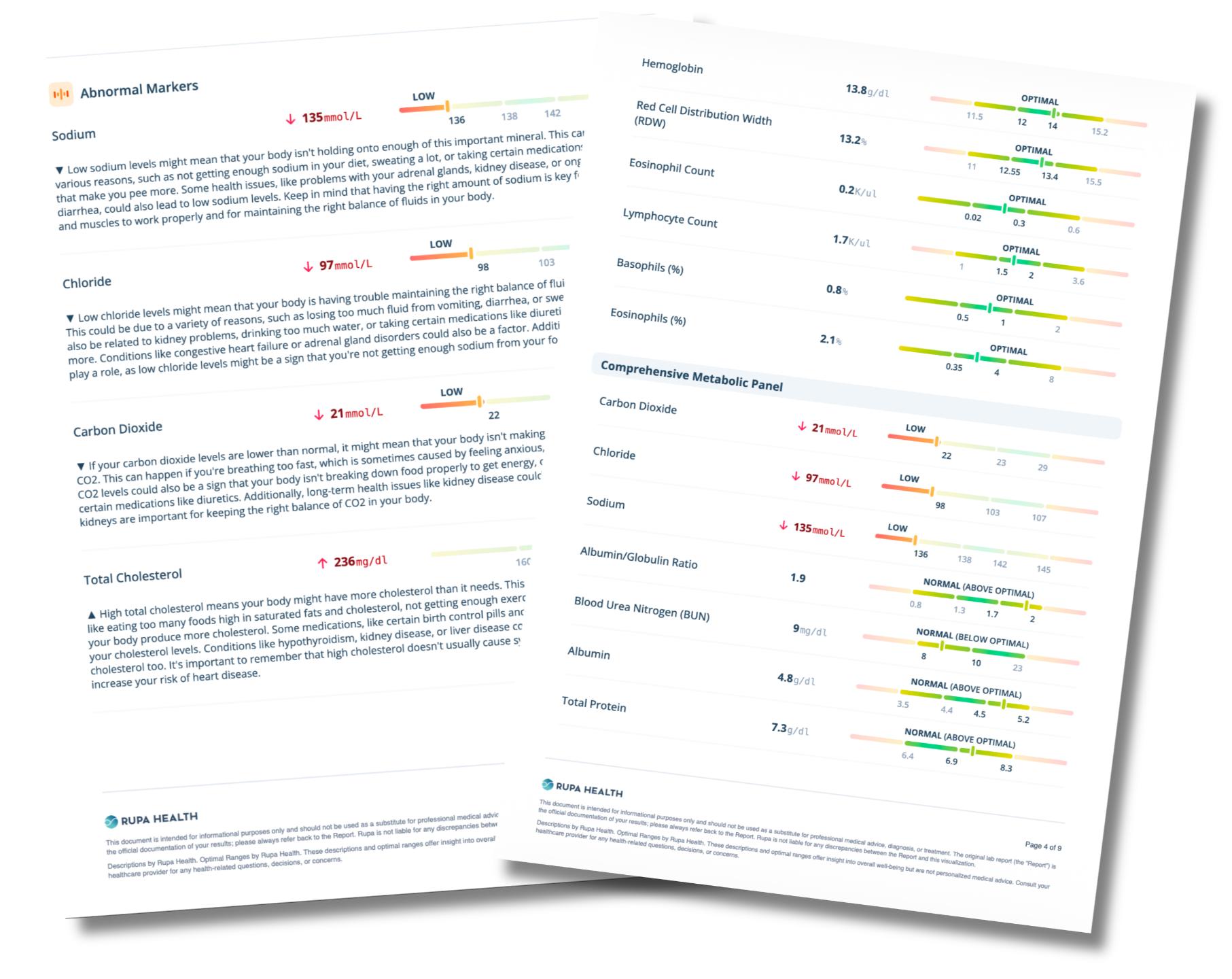
The Lab Clarity Report is a visual, easy-to-read breakdown of your lab results generated through Rupa Health. Instead of receiving a raw list of numbers and reference ranges, you get a clean report that shows where each of your markers falls on a visual scale — clearly labeled as normal, above optimal, below optimal, or out of range — alongside a plain-language explanation of what each result means and why it matters.
Abnormal markers are flagged and pulled to the front of the report so nothing gets buried. Every result includes a brief description of what that marker measures, what it might mean if it's trending high or low, and what factors could be contributing.
The Lab Clarity Report is included with the Hormone and Full Health Panels, it accompanies your 30 or 60-minute clinician visit with Paige — so you arrive at your appointment already oriented to your results, and Paige can spend the visit going deeper into what the patterns actually mean for you specifically, rather than explaining what each number is.
The Lab Clarity Report?
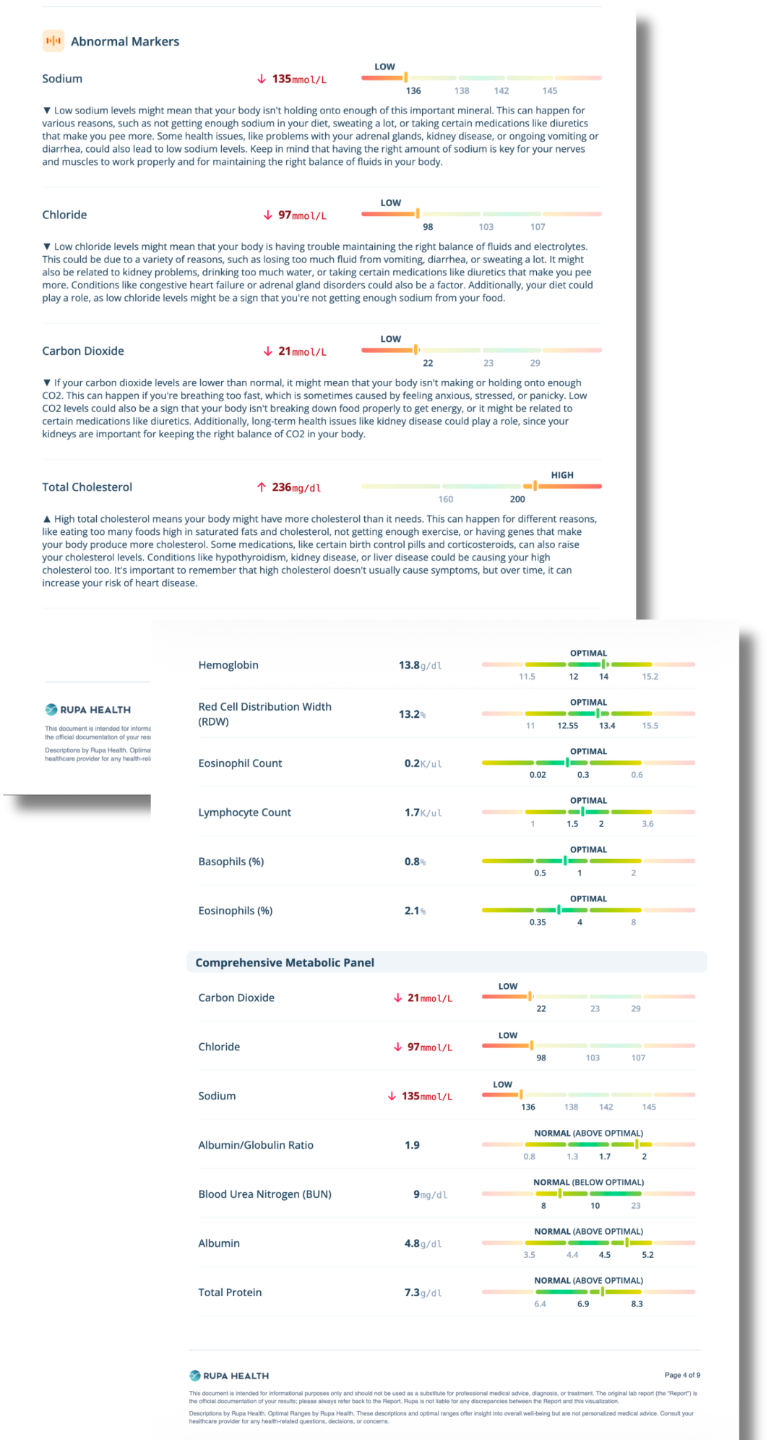
The Lab Clarity Report is a visual, easy-to-read breakdown of your lab results generated through Rupa Health. Instead of receiving a raw list of numbers and reference ranges, you get a clean report that shows where each of your markers falls on a visual scale — clearly labeled as normal, above optimal, below optimal, or out of range — alongside a plain-language explanation of what each result means and why it matters.
Abnormal markers are flagged and pulled to the front of the report so nothing gets buried. Every result includes a brief description of what that marker measures, what it might mean if it's trending high or low, and what factors could be contributing.
The Lab Clarity Report is included with the Hormone and Full Health Panels, it accompanies your 30 or 60-minute clinician visit with Paige — so you arrive at your appointment already oriented to your results, and Paige can spend the visit going deeper into what the patterns actually mean for you specifically, rather than explaining what each number is.
The most complete picture of health available.
Order the Full Health Panel, draw locally at the lab near you, and come to your 60-minute review session with Paige ready to finally understand what's driving your symptoms. The most complex cases start making sense here.
The most
complete picture of health available.
Order the Full Health Panel, draw locally at the lab near you, and come to your 60-minute review session with Paige ready to finally understand what's driving your symptoms. The most complex cases start making sense here.
COMPARE PANELS

COMPARE PANELS